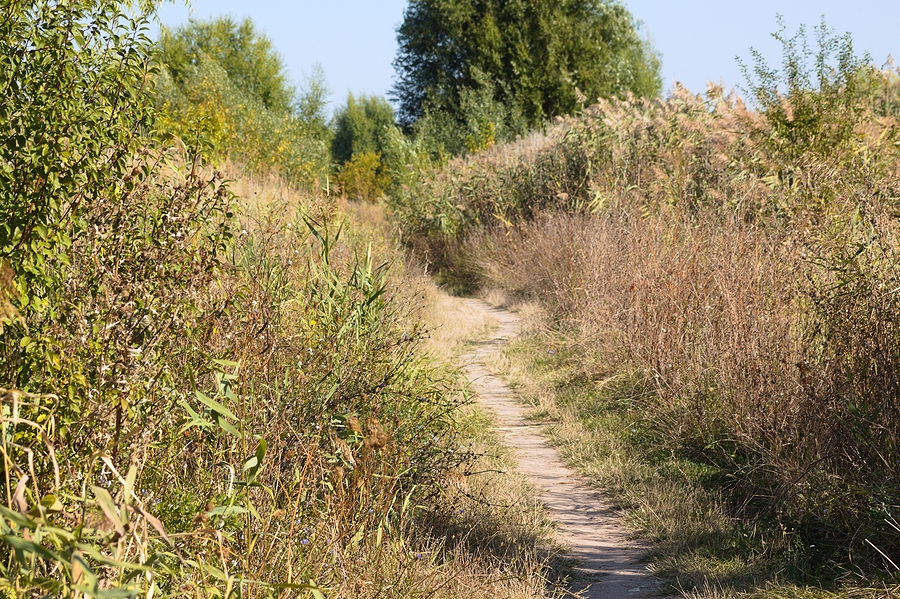
If you want to turn an overgrown part of your property into a healthy lawn, clearing the brush is only part of the job. The ground also needs to be ready for new grass.
Thick weeds, shrubs, saplings, roots, rocks, and old plant material can make it hard for grass to grow. Taking time to clear the area and prepare the soil gives new grass a better place to flourish.
What Should You Do Before Clearing Underbrush?
Start by walking the area and looking at what needs to be removed. Mark anything you want to keep, such as mature trees, landscaping, fences, or other features.
Look for rocks, fallen branches, stumps, thick roots, and uneven ground. These can make clearing harder and may damage equipment.
Also consider how you plan to use the space. A small lawn around your home may need different work than a large section of overgrown land. Knowing the end goal helps determine how much vegetation needs to be removed.
How Do You Clear Thick Underbrush?
Underbrush can include tall weeds, shrubs, saplings, vines, and other unwanted growth. You can handle small areas with hand tools, but large or heavily overgrown areas may require heavy equipment.
Jay’s Brush Clearing handles areas that a regular mower can’t reach. Our brush clearing services remove dense undergrowth, saplings, and invasive shrubs while keeping the ground disturbance as low as possible. We also use forestry mulching to cut and grind vegetation on the property instead of leaving large piles behind.
Once the larger growth is gone, we can clear the remaining plant material so you can work with the soil underneath.
How Should You Handle Brush and Yard Debris?
After clearing, the ground should be free of large branches, rocks, leaves, roots, and other debris that could interfere with grass.
Forestry mulching can make this part easier because vegetation is cut and ground on-site. The mulch can remain on the property, where it can help reduce erosion and support healthier regrowth in areas where you won’t plant grass.
If your goal is a new lawn, however, the future grass area needs a clean soil surface. Don’t leave large pieces of wood or thick layers of plant material where grass seed or sod needs to contact the soil.
How Do You Prepare the Soil for New Grass?
Once the vegetation is gone, focus on the soil. Remove any remaining weeds and roots that could compete with new grass.
You may need to loosen compacted soil before planting. Tilling can break up hard soil and give grass roots more room to grow. Adding compost or other organic material may also improve the soil, depending on its condition.
Do not rush this part. Grass seed needs good contact with the soil, and sod needs a firm surface where its roots can take hold.
How Do You Level and Grade the Ground?
After you work the soil, rake the area to remove leftover debris and create an even surface. Fill low spots and smooth out high areas as needed.
Good grading also helps water move across the property instead of collecting in low spots. Avoid leaving large holes, deep tire marks, or loose piles of soil where you plan to grow grass.
The final surface should be smooth enough for planting while still providing enough loose soil for new roots.
What Should You Do Before Planting New Grass?
Before planting, make sure the ground is clear, level, and ready for seed or sod. A soil test can help you understand whether the soil needs nutrients or other amendments.
You will also need to choose the right type of grass for your property, climate, sunlight, and intended use. Seed and sod each have different preparation and watering needs.
If the area was heavily overgrown, watch for unwanted plants that return after you clear it. Removing new growth early can help keep the area ready for grass.
When Should You Hire a Professional for Brush Clearing?
Large areas of thick underbrush can take a lot of time and the right equipment to clear. Dense saplings, invasive shrubs, uneven ground, and stumps can make the work even harder.
Professional brush clearing can leave you with a cleaner, more usable area without the piles of debris that often come with traditional clearing. Jay’s Brush Clearing uses forestry mulching to cut, grind, and mulch vegetation on-site while minimizing soil disturbance.
If you are clearing an overgrown area to make room for a new lawn, the right first step is to assess the property and decide how much vegetation needs to go. Once the brush is cleared and the soil is prepared, you can plant new grass on a clean surface, ready for the next stage.
Jay’s Brush Clearing Can Prepare Your Land
Clearing underbrush is difficult enough for a small piece of land. Larger areas can benefit from professional help. If you plan to replant new grass, Jay’s Brush Clearing can get your land ready. We can remove the underbrush and other debris that needs attention. Call us at (207) 501-3510 or request a free estimate online.
 LICENSED & INSURED