If your property is covered in brush, you are not alone, especially in Maine, with its long winters and rainy springs. The bigger challenge is not just clearing it once, but keeping it from growing right back in time to ruin your summer plans.
The good news is that you can get rid of the brush and keep it under control with the right strategy and help from a professional brush-clearing company.
Why Brush Keeps Coming Back
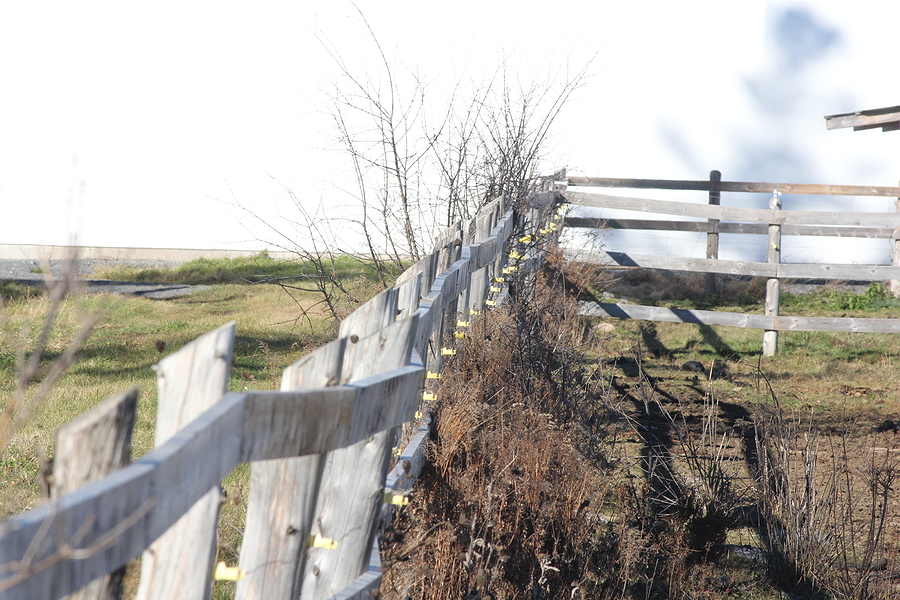
Brush loves neglected corners and edges: fence lines, stone walls, wet low spots, and the “back forty” you rarely walk through. Over time, these areas collect:
- Fast-growing shrubs and saplings
- Invasive plants and vines
- Deadfall, branches, and organic debris that feed new growth
Even if you cut them down once, the root systems and leftover seed bank in the soil are often still there. That is why the brush seems to “magically” return. The plants are simply regrowing from what you did not remove or finish the first time.
Start With a Full-Scale Clearing
The first step is a thorough, top-to-bottom clearing. It’s not enough to go far enough to see the ground. Effective initial clearing includes:
- Cutting down brush, saplings, and tall weeds to ground level
- Trimming back overhanging limbs that block light and encourage shade-loving brush
- Opening up dense areas so you can see stumps, rocks, and problem spots
Doing this with just a string trimmer and other hand tools can take many weekends and often leaves behind tough stems and woody material. A brush-clearing company uses professional-grade equipment to remove dense growth quickly and evenly. Using skid steer brush cutters and forestry mulchers, the brush-clearers create a clean slate so you can actually see what you have.
Deal With Stumps, Roots, and Woody Debris
One of the main reasons the brush comes right back is that the underground structure is still alive and well. If you only cut the visible growth, many species will quickly send up new shoots from the roots or stumps. That’s why they focus on:
- Grinding or cutting down stumps below grade, where possible
- Removing or cutting major root systems that are close to the surface
- Clearing woody debris so it does not become a seedbed or hiding place for more growth
A professional crew can bring in stump grinders and other equipment to handle the woody remnants that are hard for homeowners to tackle themselves. The more you reduce those stumps and roots now, the less resprouting you’ll have later.
Improve the Ground Conditions
Brush loves poor, compacted, or neglected soil where turf grass struggles. Once the woody growth is gone, the conditions favour what you actually want, like a lawn, meadow, or low-maintenance open area.
Depending on your goals, this may include:
- Light grading to smooth ruts, mounds, and uneven spots
- Adding topsoil or compost to thin areas so grass can take hold
- Improving drainage so you do not end up with muddy, brush-prone patches
A brush-clearing company that offers land preparation can handle the rough grading and soil prep. You won’t be using just a shovel and wheelbarrow for heavier work. The result is a more uniform, usable surface that can support healthy groundcover rather than another round of scrubby growth.
Establish the “Good” Vegetation Quickly
Bare soil is an open invitation for brush and weeds to move back in. To keep the brush from returning, you want to establish something good in its place as soon as possible.
Common options include:
- Grass seed for a traditional lawn or low-mow field
- Sod for faster coverage in high-visibility areas
- Native groundcovers or meadow mixes for a more natural look
The key is coverage. Once you have your seed or sod down, consistent watering and early care help it fill in, shade the soil, and outcompete many opportunistic brush species. A cleared, graded area that is quickly converted into grass is far less likely to revert to thickets.
Step 5: Stay Ahead of Regrowth
Even after a thorough clearing, some regrowth is normal. The difference between a manageable property and one that slides back into heavy brush is how quickly you respond.
A sustainable maintenance plan might include:
- Walking the cleared area every few weeks during the growing season
- Cutting new saplings and brush shoots while they are still small
- Keeping fence lines and tree lines trimmed so they do not become “brush corridors.”
- Mowing or brush-hogging once or twice a year in lower-use areas
A brush-clearing company can help set this up by handling the heavier initial work and, if needed, scheduling periodic follow-up visits to eliminate new growth before it becomes a problem again.
Why a Brush-Clearing Company Makes This Easier
Clearing overgrown brush sounds like something you can chip away at with a weekend here and there. However, it often involves:
- Heavy lifting and awkward, time-consuming cleanup
- Difficult terrain, hidden hazards, and safety risks
- The need for specialized tools that most homeowners do not own
A professional brush-clearing service can:
- Complete large projects in days instead of months
- Use specialized equipment to handle thick brush, steep slopes, and rocky ground
- Grind stumps, clear debris, and prepare the ground in one coordinated effort
- Offer guidance on next steps so your cleared land stays usable and brush-free
For homeowners and property owners getting ready for summer, that means you can go from “overgrown and frustrating” to “open, usable, and easy to maintain” before prime outdoor season really begins.
Getting Your Property Summer-Ready
Once the brush is under control and the ground is stabilized with grass or other cover, your property is ready to enjoy. You can:
- Add a seating area, fire pit, or picnic space
- Create safe play areas for kids and pets
- Open up views you have not seen in years
- Enjoy a cleaner, safer property with fewer ticks and pests
Instead of dreading that brush-filled spot, you can treat it as reclaimed space and an asset to your property.
Jay’s Brush Clearing Can Help
What part of your property are you most eager to reclaim from brush? Along the driveway, behind the house, or a “back acre” you have barely set foot on? Think about enjoying the “new” part of your property.
Call us at (207) 501-3510 or request a free estimate online to schedule your Southern Maine brush clearing project today. We can take care of your brush-clearing project before summer so you can enjoy your property all season.
 LICENSED & INSURED